
Product Management Interview Preparation: How to Stand Out in Competitive Hiring
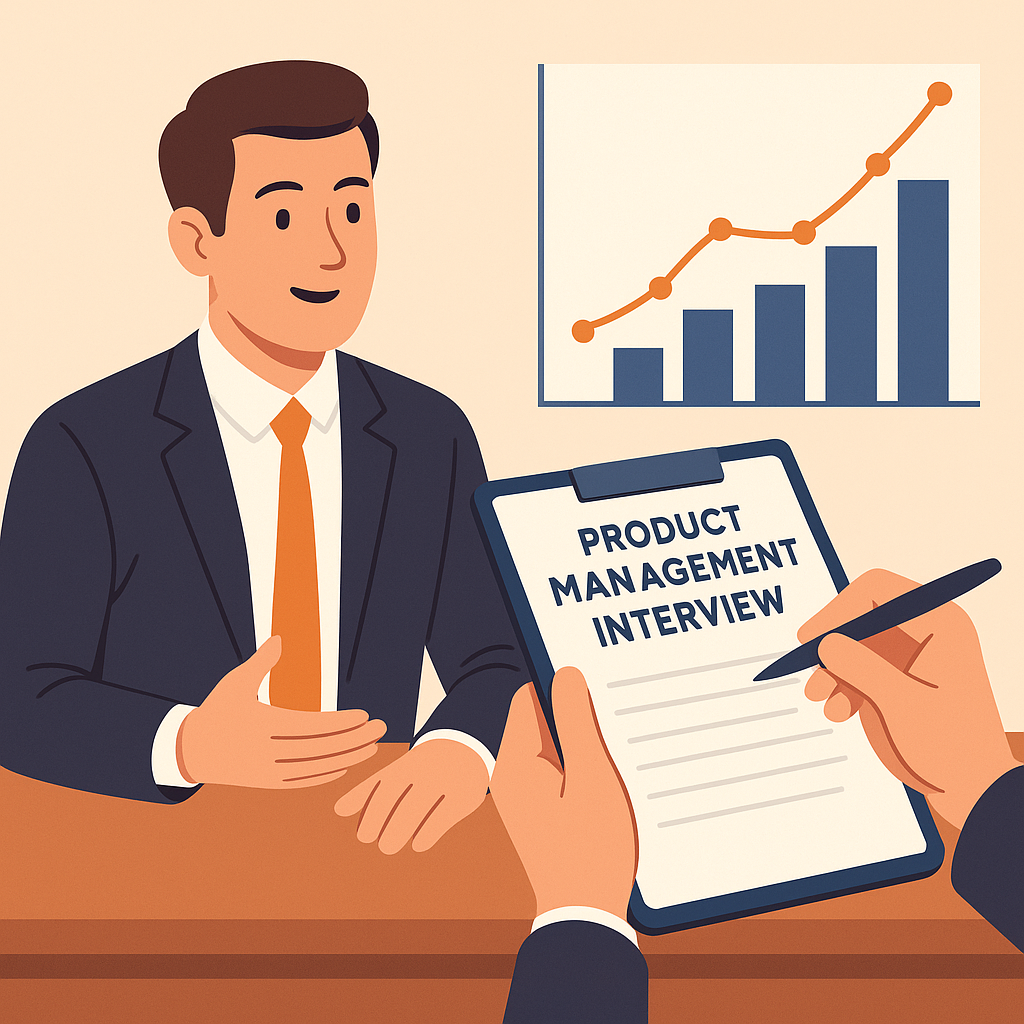
Landing a role in product management at a leading company is a dream for many professionals. The position requires a blend of technical knowledge, business strategy, leadership, and communication skills. However, securing the role is no simple task. Product management interviews are known for their complexity, often testing candidates’ abilities across a range of scenarios. Without proper preparation, even qualified applicants can falter under pressure. That is why structured Product Management Interview Preparation is a crucial investment for anyone aiming to break into this competitive field.
Why Product Management Interviews Are Unique
Unlike standard interviews, product management assessments go beyond surface-level questions. Candidates may be asked to design solutions for real-world problems, evaluate market opportunities, or demonstrate how they would prioritize competing product features. These tasks require a balance of analytical ability and creativity. Furthermore, product managers are expected to lead cross-functional teams, so interviews often test soft skills like collaboration, leadership, and persuasion.
Common formats include:
- Case Studies: Designing a new product, improving an existing feature, or analyzing a competitor’s strategy.
- Behavioral Questions: Describing how you handled conflict, led a team, or navigated failure.
- Analytical Exercises: Interpreting data, making trade-offs, and setting measurable goals.
- Technical Questions: Depending on the company, you may be tested on APIs, databases, or engineering concepts.
Steps for Effective Preparation
To succeed in a product management interview, preparation must go beyond reviewing common questions. Candidates should practice thinking aloud, structuring responses, and applying product frameworks to novel problems.
- Understand the Role: Study the specific responsibilities of product managers at the company you’re targeting. Each organization emphasizes different skills — some are engineering-heavy, others lean toward strategy or design.
- Practice Case Questions: Rehearse answering questions like “How would you improve our onboarding experience?” or “What new product would you build for this market?”
- Polish Behavioral Stories: Use the STAR method (Situation, Task, Action, Result) to craft clear narratives about your leadership and decision-making.
- Sharpen Technical and Analytical Skills: Be ready to interpret charts, KPIs, and user data. If the company is tech-focused, review concepts like system design or agile workflows.
- Seek Feedback: Mock interviews with professionals or coaches reveal blind spots you may not notice alone.
The Value of Coaching
While independent practice is helpful, working with a coach accelerates progress. A professional coach can replicate the pressure of a real interview, identify weaknesses, and provide structured feedback. For candidates aiming at top firms — where the interview process includes multiple rounds and highly competitive peers — this preparation can be the difference between rejection and an offer.
Organizations such as Thethinksters provide tailored coaching for candidates who want to refine their communication, develop confidence, and master complex interview challenges. Their programs focus on equipping applicants with both practical frameworks and the confidence to adapt during live conversations.
Common Mistakes to Avoid
Even well-prepared candidates sometimes undermine their own performance. Here are key mistakes to watch out for:
- Over-rehearsed answers: Employers value authenticity. Memorized scripts often sound unnatural.
- Ignoring the “why”: Explaining your reasoning is as important as giving the “what.”
- Weak communication: Complex ideas must be explained simply for non-technical audiences.
- Neglecting teamwork examples: Product management is collaborative; highlight your ability to lead across functions.
Confidence and Clarity
Ultimately, product management interviewers are searching for candidates who can think clearly, adapt quickly, and lead effectively. Confidence grows from preparation. By practicing structured responses, studying the company’s products, and working with mentors or coaches, candidates can turn stressful interviews into opportunities to shine.
Illustration

Final Thoughts
Breaking into product management is not easy, but the rewards are significant. The role places you at the intersection of technology, business, and customer experience — a space where you can shape the future of products and companies. With structured preparation, guided coaching, and consistent practice, you can step into the interview room with the confidence that you’re ready to perform at your best.


