
Higher Education in the USA: Building Skills for Modern Financial Markets

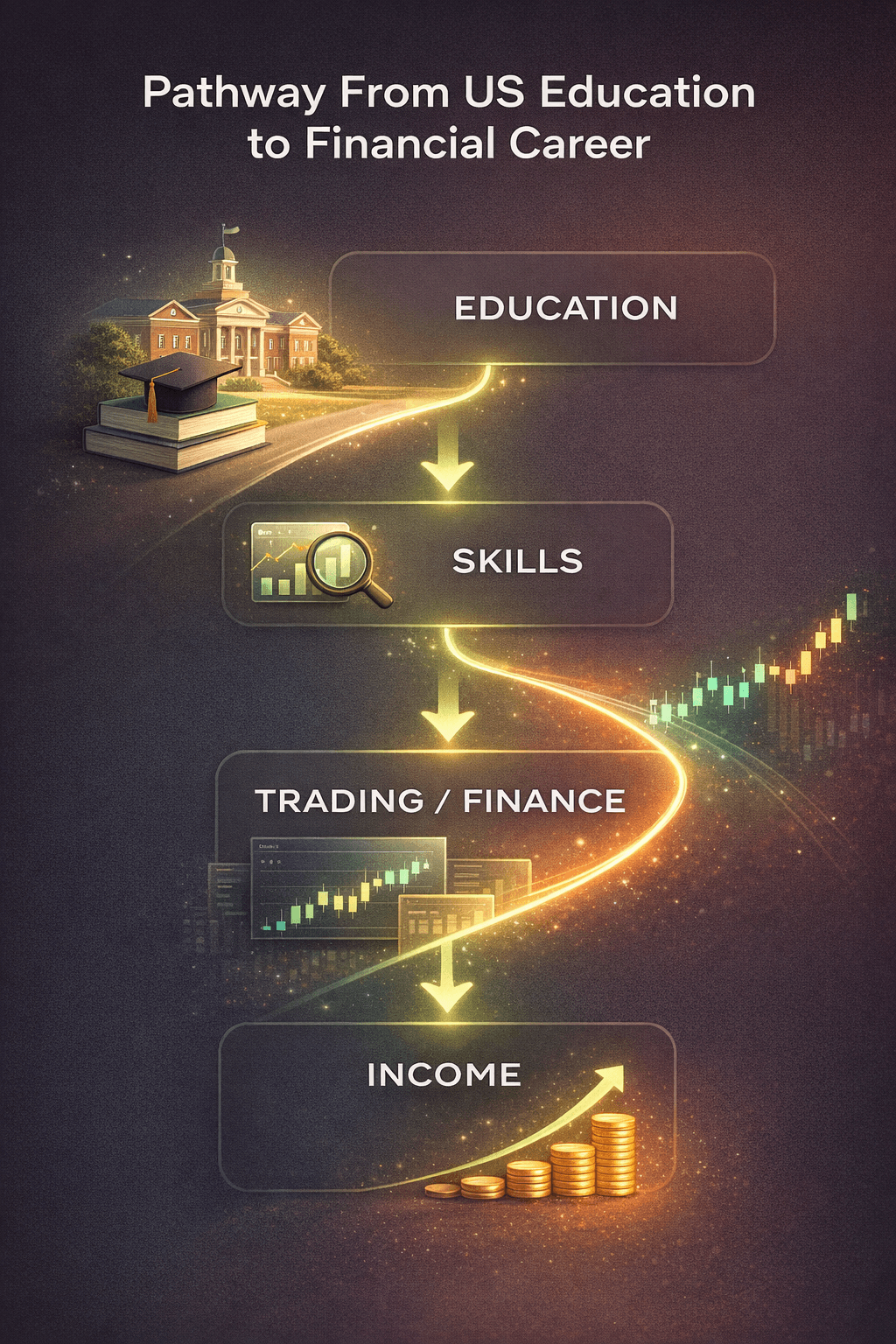
Higher education in the United States has long been considered one of the most powerful tools for career growth, innovation, and financial success. From Ivy League universities to state colleges and specialized institutions, the US education system is designed not only to teach theory but also to develop practical, real-world skills.
In today’s economy, where financial markets evolve rapidly, students are increasingly drawn to fields connected to trading, fintech, and digital assets. Many of them eventually explore opportunities through digital options brokers, applying analytical thinking and risk management skills learned during their academic journey.
This article explores how higher education in the US works, what students actually learn, and how these skills translate into success in modern financial markets.
The Structure of Higher Education in the USA
The US higher education system is known for its flexibility and diversity.
Main Types of Institutions
- Community Colleges — 2-year programs, often more affordable
- Universities — 4-year bachelor’s degrees and beyond
- Private Colleges — smaller, specialized institutions
- Technical Schools — focused on practical skills
This variety allows students to choose paths based on their goals and financial situation.
Popular Fields of Study for Financial Careers
Students aiming for careers in trading and finance often choose majors that build analytical and decision-making skills.
| Major | Skills Developed | Relevance to Trading |
|---|---|---|
| Finance | Market analysis, valuation | Direct application |
| Economics | Macro/micro analysis | Understanding market trends |
| Computer Science | Programming, automation | Algorithmic trading |
| Mathematics | Statistical modeling | Risk analysis |
These disciplines form the backbone of modern financial expertise.
What Students Actually Learn
Beyond textbooks, US education emphasizes critical thinking and problem-solving.
Core Skills
- Data analysis
- Decision-making under uncertainty
- Risk assessment
- Strategic planning
These are the same skills required in trading environments.
The Link Between Education and Trading
At its core, trading is about making decisions with incomplete information—something students practice throughout their academic journey.
For example:
- Case studies simulate real-world scenarios
- Group projects mirror collaborative decision-making
- Research assignments develop analytical thinking
This is why many graduates transition naturally into financial markets.
Technology and Modern Learning
US universities increasingly integrate technology into education.
- Online trading simulators
- Financial modeling software
- Data analytics platforms
Students gain hands-on experience before entering real markets.
Cost of Education
One of the biggest challenges is affordability.
| Institution Type | Average Annual Cost |
|---|---|
| Public (in-state) | $10,000 – $25,000 |
| Public (out-of-state) | $25,000 – $40,000 |
| Private | $40,000 – $70,000+ |
However, scholarships and financial aid can significantly reduce these costs.
Return on Investment (ROI)
Education is an investment—and like any investment, it must be evaluated.
Factors Affecting ROI
- Field of study
- University reputation
- Career opportunities
- Student debt
This parallels trading decisions, where risk and return must be balanced.
Common Mistakes Students Make
Just like beginner traders, students often make avoidable mistakes.
- Choosing majors without clear goals
- Ignoring practical experience
- Accumulating excessive debt
- Underestimating skill development
Planning ahead is critical.
Skills That Matter Most in the Real World
Degrees alone are not enough. Employers—and markets—value skills.
- Analytical thinking
- Adaptability
- Discipline
- Communication
These skills determine long-term success.
Education vs Real Market Experience
There’s an ongoing debate: is formal education necessary for trading?
| Education | Trading Experience |
|---|---|
| Theoretical knowledge | Practical execution |
| Structured learning | Real-time decision-making |
| Lower financial risk | Higher stakes |
The best approach combines both.
The Psychology of Learning and Trading
Success in both education and trading depends heavily on mindset.
- Consistency over intensity
- Long-term thinking
- Learning from mistakes
These principles are universal.
Future Trends
The future of education is closely tied to technology and finance.
- Online degrees
- AI-driven learning
- Integration with financial markets
Students are becoming more connected to real-world systems earlier than ever.
Conclusion: Education as a Strategic Investment
Higher education in the US is not just about earning a degree—it’s about building a foundation for decision-making, problem-solving, and long-term success.
Whether students pursue careers in finance, technology, or other industries, the skills they develop are directly applicable to trading and investment.
Like any successful trader, a student must:
- Plan ahead
- Manage risk
- Adapt to change
Because in the end, education—like trading—is not about short-term gains.
It’s about long-term growth.


